Made to grow.
Welcome to Maidstone…
Local Grower Council.
Partners in building a sustainable future of responsible agriculture on the North Coast of KZN.
These green fields are more than farmland - they’re a lifeline for local families, communities, and the rural economy.
Here at Maidstone, you will find a welcoming community of cane growers who carry the legacy of a thriving rural-urban economy. Maidstone’s growers are not distant landowners. We’re present, active, and committed to the well-being of this region - from employing unskilled labour to enhancing community security.
Yet, too often, the public conversation overlooks the people behind the crops - and the crucial socio-economic role they play. We’re here to change that.
The Maidstone Local Grower Council exists to bridge the urban-rural divide - sharing facts, correcting misconceptions, and giving the community direct access to the farmers who care for this land.
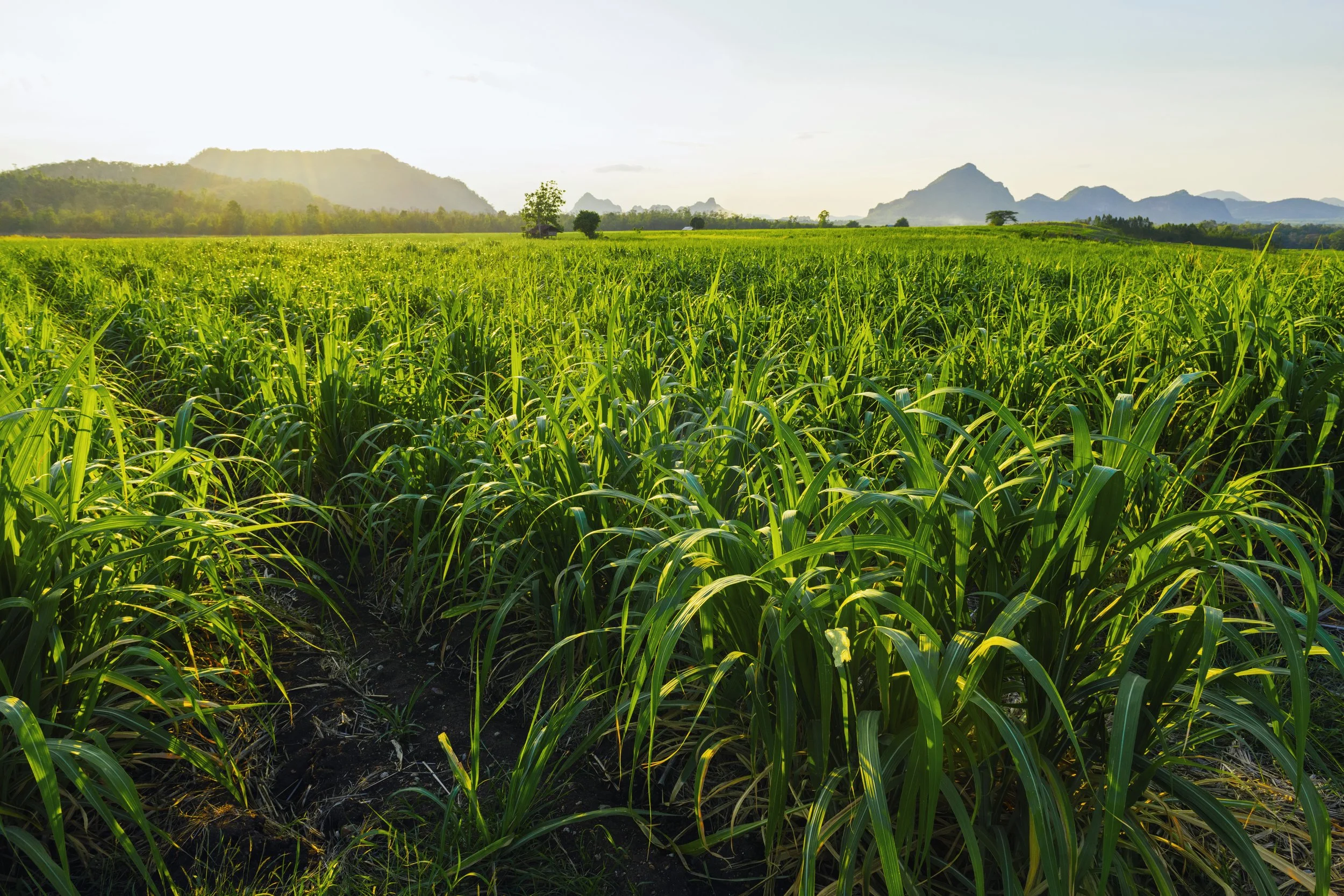
Growing together
The perceived age of the ‘Sugar Barons’ is long gone. Farmers today are navigating a thin margin between profit and loss - with a myriad of risk factors including weather, politics, security, encroachment, trade tariff hikes, and a fluctuating rand affecting prices. Mutual support and understanding go a long way in nurturing a healthy and thriving region.
We’re not relics of the past. We’re your neighbours, your employers, your advocates - and we’re here to stay.
As farmers, we are not just custodians of agricultural land - we are the heartbeat of the rural economy and the foundation of the KZN North Coast's economy.
Understanding Impact
We envision a North Coast where urban and rural communities grow together, recognising agriculture as vital, not invisible.
This is about preserving a shared legacy and building a future where farming is valued, protected, and deeply rooted in the community's identity.
Our Vision

“Together, we stand tall. As a valued member of the Grower Council, we empower cane growers by creating opportunities to preserve our heritage together.”
Maidstone Impact Initiatives
-

Direct investments in security initiatives,
-

Broad participation in anti-poaching initiatives
-

Continuously involved in diverse community upliftment.
-

Positive impacts on rural jobs, land and cultural preservation.
-

Making farmers accessible to urban communities by bridging the communication gap between them.
The Burning Question
Experiencing an uncontrolled fire can be devastating not only for farmers but also pose a significant risk to surrounding communities. There are some environmental drawbacks, including:
-
Burning sugarcane releases pollutants into the atmosphere, including soot particles, carbon monoxide, carbon dioxide, and nitrogen oxides.
-
Smoke from burning can exacerbate respiratory problems, especially for those living near the fields.
-
Although under dispute, burning releases greenhouse gases, contributing to climate change.
All fires impact the urban community in some way, but controlled burns do so to a lesser degree. Controlled burns are carefully scheduled around the weather after all conditions have been assessed, including wind and dew point. Unfortunately, incidents of arson or accidental runaway fires are on the rise.
Controlled vs Uncontrolled
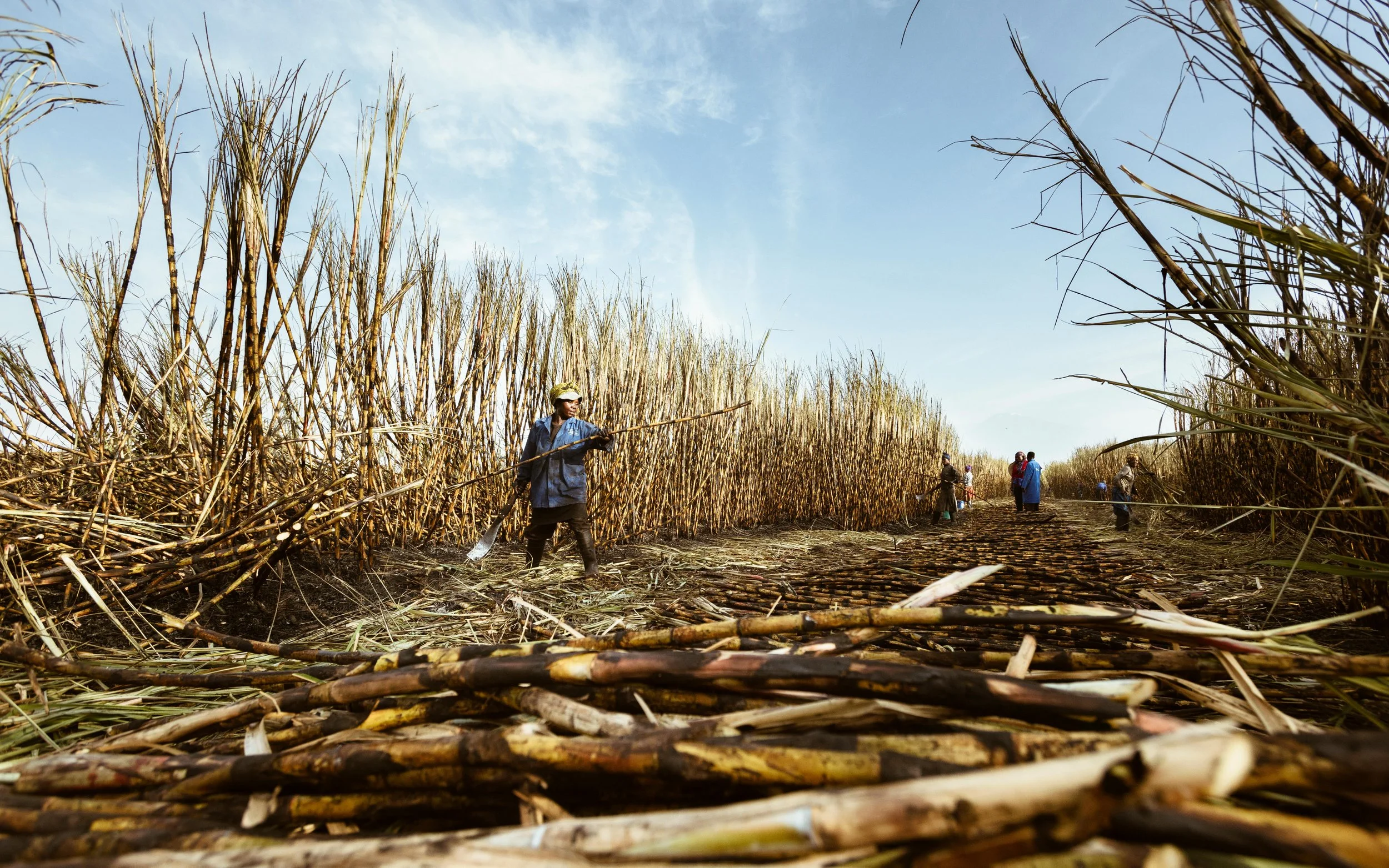
Green harvesting using mechanical harvesters to separate the leaves and tops from the sugarcane stalks without burning is logistically not possible in the rolling hills of the North Coast. Not only are the costs involved astronomical, but in a growing nation facing massive unemployment, the use of machinery in place of manual labour would have devastating consequences.
Burning vs Green harvesting
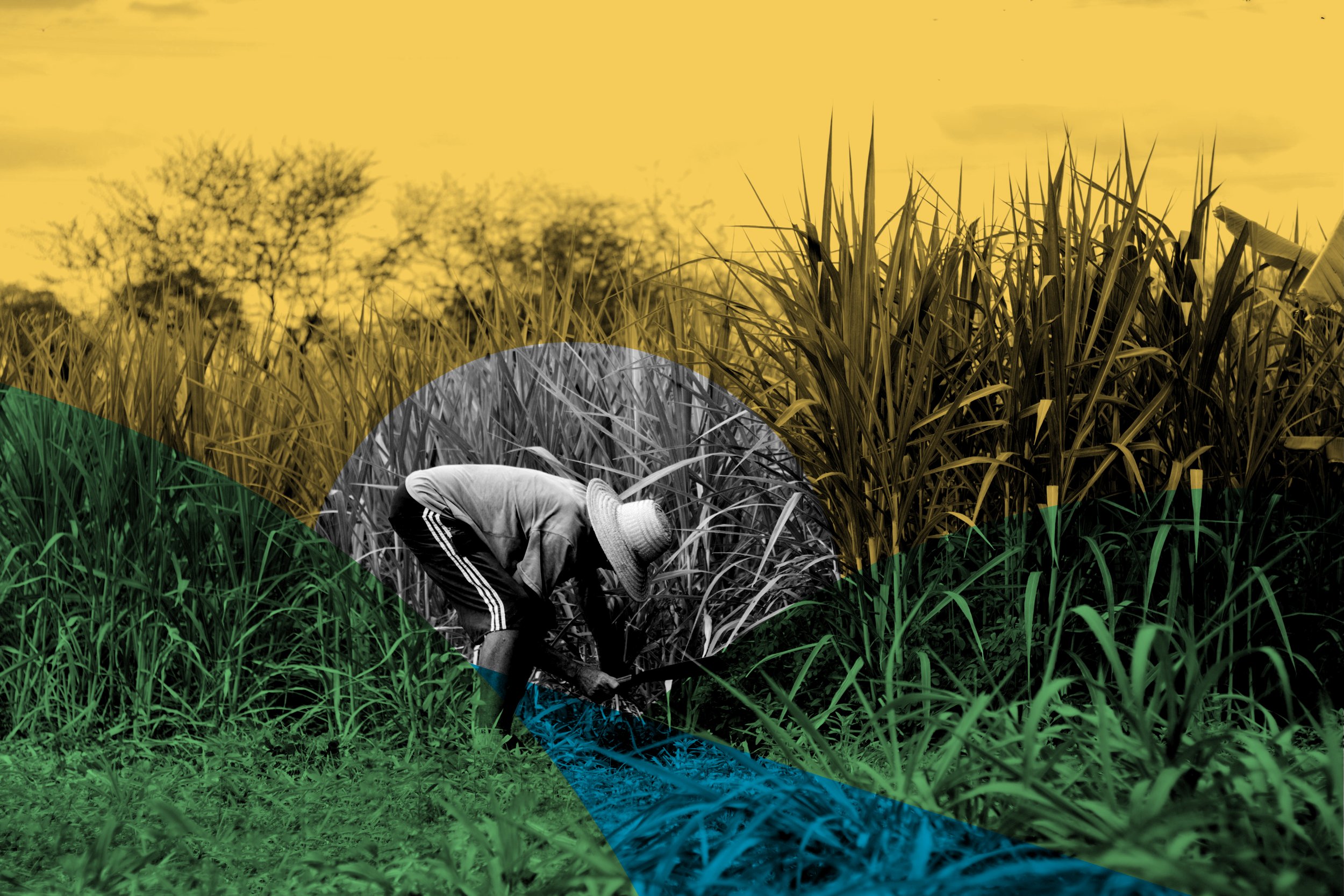
Sugarcane is easier to harvest by hand when it is burnt, as the burning eliminates the barbed leaves, leaving only the more manageable trash and cane stalks.
The best way for the farmer to manage the threat of out-of-control fires for his farm and the urban community is by burning carefully planned fire breaks.
Controlled fires can also ensure less loss of wildlife, as farmers are able to funnel animals into an escape route.
Burning reduces the amount of plant material that needs to be transported to the mill, saving on transportation costs.
Burns provide a buffer for runaway fires reaching the urban communities.
Benefits of burning
While burning is proven to release high GHG (such as CO2, N2O, and CH4) emissions into the atmosphere, mechanical harvesting is proven to significantly increase the amount of carbon in the surface layers through trash deposits (up to 15 t ha−1 year−1)*. Unburnt cane also leads to higher transport emissions due to heavier and more frequent haulage.
See more at: http://www.fpasa.co.za/
The heated carbon debate
For Farmers:
Uniting The Hands That Care for All That’s Green
At Maidstone, we believe farmers are at the heart of everything green - in what they grow, and in how they care for the land, the environment, and our shared future.
We recognise the value of our cane growers as generators of employment and prosperity for the North Coast community. In their hands lies the responsibility of nurturing nature. They are caregivers of the ecosystems we all depend on. At a time when environmental accountability matters more than ever, farmers play a crucial role in protecting and sustaining the natural world for future generations.
A farmer’s blood runs green, and agriculture is the lifeblood of our economy, of which we are proud to play a significant part.

Maidstone is about agriculture, legacy, and community.
Reconnect with the community that connects us all.
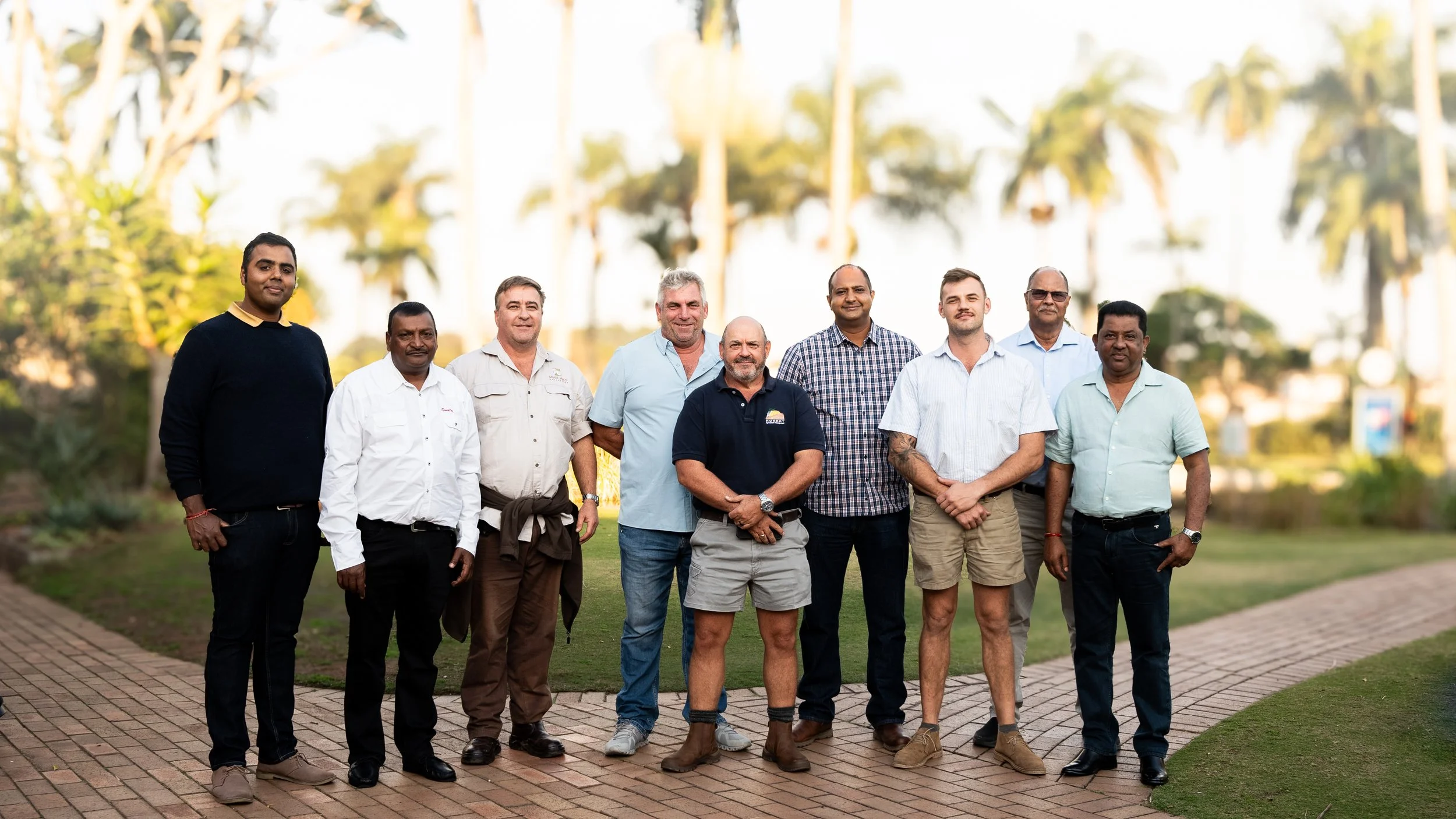
Meet the Team